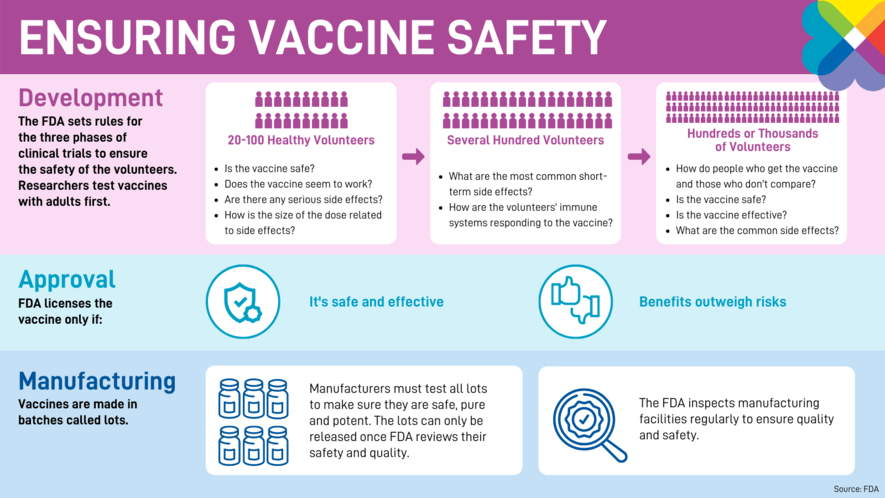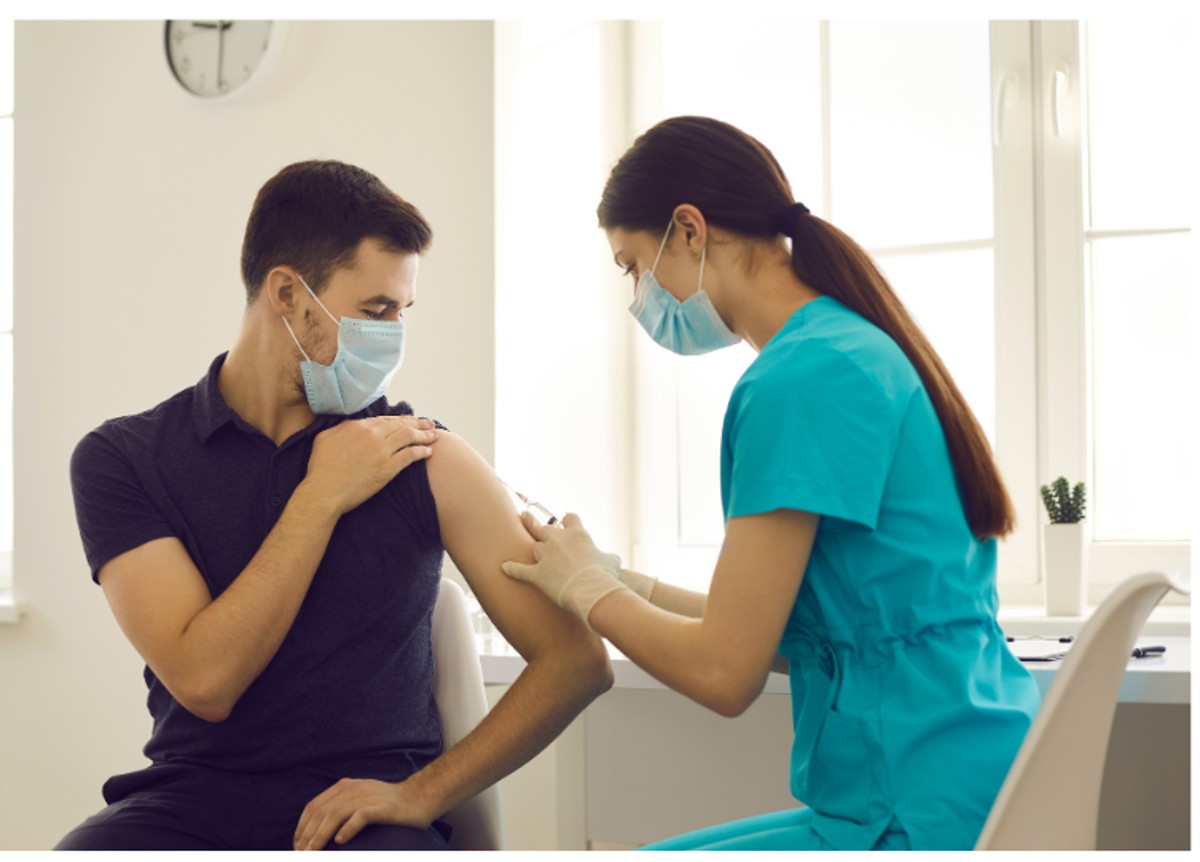

International travel opens the door to exciting opportunities—but also to unfamiliar health risks. Whether you're traveling for business or leisure, staying protected through timely vaccinations is not just a precaution—it's a necessity. Global health authorities, including the CDC and WHO, strongly recommend that all international travellers are fully up-to-date with their routine immunizations, including DTP (Diphtheria, Tetanus, Pertussis), MMR (Measles, Mumps, Rubella), and Polio.
In today’s world, vaccine-preventable diseases are making a resurgence—with outbreaks of measles and whooping cough reported even in highly developed countries. Add to that the evolving strains of seasonal influenza and the continued relevance of COVID-19 variants, it becomes clear: traveling without proper protection through relevant immunizations is a risk not worth taking.
Getting vaccinated before travel isn’t just about protecting yourself. It’s about safeguarding your family, fellow travellers, and the communities you interact with across borders. As public health experts put it, “Pre-travel vaccination is a critical layer of protection—for you and for the world you touch.”
Popular Destinations & Vaccine Requirements
Indians travel extensively across the globe — whether it’s for vacations, business, education, or visiting family. Among the most frequented destinations are the Middle East, Southeast Asia, Europe, and North America. For context, 5.9 million Indians visited the UAE in 2022, accounting for 28% of outbound trips. The United States and United Kingdom consistently rank among the top choices for Indian travellers, driven by strong diaspora and academic links. Southeast Asian countries like Thailand, Singapore, and Malaysia remain top picks for holidays due to proximity, affordability, and ease of visa access, while island getaways like the Maldives and Sri Lanka draw large crowds for beach escapes and wellness retreats.
Students traveling abroad for further education are required to get certain vaccinations and blood tests as part of their university admission or visa process. These requirements help ensure a safe and healthy campus environment for all students.
Professionals relocating overseas for long-term assignments or projects may also need to receive country-specific vaccinations as part of pre-departure health protocols, especially when traveling to regions with higher disease risks or mandatory immunization laws
Did You Know?
Each destination may have its own vaccine requirements or recommendations - Planning ahead ensures not just smooth travel but a safer travel.
|
Countries |
Vaccinations required |
Reason for requirement |
|
Gulf States (UAE, Saudi Arabia, Qatar, Kuwait, etc.) |
Tdap booster, MMR, and polio. |
Routine adult vaccines/ boosters if needed |
|
Quadrivalent meningococcal vaccine |
High endemic region for Meningococcal (brain and spinal cord infection). Strongly recommended by Saudi Govt before travel for Hajj and Umrah travel as well. |
|
|
Hepatitis A and B vaccines are |
Recommended, especially if visiting smaller cities or rural areas. |
|
|
Typhoid vaccine (conjugate) |
For travel involving local food or uncertain sanitation. |
|
|
Seasonal influenza shots |
Wise for winter travel |
|
|
|
||
|
South & Southeast Asia (Thailand, Singapore, Malaysia, Maldives, etc.) |
MMR, Tdap, Polio, Influenza |
Routine adult vaccinations/ boosters if needed |
|
Hepatitis A and Typhoid vaccines |
Strongly recommended to prevent water borne infections |
|
|
Japanese Encephalitis (JE) vaccine |
For rural or jungle areas (e.g. trekking in Thailand) |
|
|
Rabies vaccine |
Safety for animal exposure |
|
|
|
||
|
Europe & North America (UK, Schengen countries, USA, Canada) |
Quadrivalent latest strain flu shot |
Prevent Seasonal and swine flu as well as fight infections in extreme weathers |
|
COVID-19 vaccination |
Requires up-to-date boosters |
|
|
pertussis vaccine as needed, and women of childbearing age must have rubella immunity |
Strongly recommended to prevent Pertussis (whooping cough), especially if visiting new-born children |
|
|
Hepatitis A/B vaccines |
May be considered for any long stays or if visiting at-risk groups |
|
|
|
|
|
|
Africa & Latin America |
Yellow Fever vaccine |
Essential if going to or coming from a yellow-fever zone. |
|
Hepatitis A and Typhoid vaccine |
Due to sanitation concerns |
|
In summary, routine vaccines (DTP, MMR, polio, varicella, flu, COVID) form the foundation for all trips.
On top of that, travellers should add destination-specific shots: Hepatitis A/B and Typhoid for South/SE Asia and many developing regions; Meningococcal for Saudi Hajj/Umrah; Yellow fever for certain African/South American voyages; Japanese encephalitis for extended stays in rural Asia; and so on.
Key Travel Vaccines to Consider
|
MMR, DTP (Tdap booster), Polio, Chickenpox (Varicella) |
Routine vaccinations |
|
COVID-19 |
Latest COVID-19 vaccine or booster |
|
Hepatitis A |
Recommended for most international trips from India, especially where food/water hygiene is uncertain (WHO & CDC advise Hep A and Typhoid vaccines for South Asia and many tropical regions) |
|
Hepatitis B |
Advised if there is prolonged contact with local populations or healthcare settings. CDC recommends Hep B for Indian travellers to protect against blood/body fluid exposure. |
|
Typhoid |
Recommended for travel to most of Asia, Africa, and Latin America where typhoid is endemic. CDC specifically says typhoid vaccine for travel to areas with recognized Salmonella Typhi risk. |
|
Yellow Fever |
Mandatory when traveling to or from endemic countries in Africa or South America. Many nations require a Yellow Fever certificate; consult WHO/CDC rules for your route. |
|
Meningococcal |
Required for Saudi Arabia pilgrimage (Hajj/Umrah) and recommended for African “meningitis belt” travel. KSA mandates a Quadrivalent MenACWY vaccine for pilgrims. |
|
Influenza |
Annually recommended for all travellers, especially in winter or high-risk groups. |
|
Rabies |
Consider pre-exposure rabies vaccination if travelling in rural areas of Asia/Africa with wild/domestic animals and limited medical care. |
|
Japanese Encephalitis (JE) |
For long-term or repeated travel to rural Asia (e.g. Thailand, Bangladesh, Northeast India), CDC suggests JE vaccine for travellers who spend extended time in endemic regions during mosquito season. |
|
Cholera |
Rarely needed; CDC/WHO recommend only in specific outbreak settings. |
Each person’s itinerary is different and associated risks vary, it’s recommended to consult to a travel Vaccine expert before planning your trip. An expert can give tailored advice on which vaccines suit your exact trip requirements.
Note: Travellers should obtain recommended shots 2-4 weeks before departure.
Why an Internationally Valid Vaccination Certificate Matters
For international travelers, carrying a valid vaccination certificate is just as important as your passport. Many countries now require proof of immunization—especially for vaccines like Yellow Fever, COVID-19, or Meningococcal (for Hajj/Umrah pilgrims)—as part of their immigration and health clearance process. Without an internationally recognized vaccination certificate, you may be denied entry, face extended quarantine, or even be sent back at the border.
To meet these requirements, your vaccinations must be documented using the WHO-compliant International Certificate of Vaccination or Prophylaxis (ICVPThis certificate is globally recognized and serves as official proof that you’ve received mandatory or recommended vaccines prior to travel.
Getting Travel Vaccines in India (INVC and Others)
In India, several clinics and hospitals offer travel immunization services. One convenient option is the India Vaccination Centre (INVC), which is a one-stop provider for all age groups. INVC specializes in “guidelines-based vaccination” for travellers, children, adults, pregnant women and seniors. Their experts can advise on the specific shots you need for your destination.
INVC provides flexible scheduling and locations: you can book appointments online or by phone, and get vaccinated at home or at any INVC centre. After your vaccines, INVC issues an internationally valid digital immunization certificate which is often accepted at border crossings. In short, INVC makes travel vaccination easy – they handle your travel vaccination record, send reminders/alerts, and help you prepare with the right documentation.
When arranging travel vaccines in India, it’s best to start 4–6 weeks before travel. Some vaccines require multiple doses spaced over weeks (e.g. Hepatitis A or Japanese Encephalitis series). By booking early through a provider like INVC or a travel clinic, you ensure your vaccine course is complete well before departure.
In India, the India Vaccination Centre (INVC) is a trusted and authorized Traveler Vaccination Clinic offering comprehensive vaccination services for international travel. INVC is one of the few providers in India that issues internationally valid vaccination certificates in line with WHO regulations, making them a preferred partner for both tourists and business travelers. With INVC, travelers can ensure their immunizations are accurate, timely, and globally accepted, eliminating last-minute hassles at immigration checkpoints.