
For a long time, India had fought malaria as a public health problem, but now prevention is entering a new phase. Alongside mosquito control, testing and treatment, malaria vaccination is now another tool being used to reduce the burden of the disease.
The World Health Organization (WHO) recommends two malaria vaccines - RTS,S/AS01 and R21/Matrix-M - for the prevention of Plasmodium falciparum malaria in children living in malaria-endemic areas, particularly areas with moderate or high transmission.
For India, the development is especially significant because R21/Matrix-M is manufactured by the Serum Institute of India. The vaccine is listed under the commercial name CYVAC in WHO’s prequalification database. It is produced by Serum Institute of India and the national regulatory authority responsible for it is India’s CDSCO.
Why is the Malaria Vaccine Such an Important Development?
Malaria still affects millions of people worldwide. The WHO estimates there will be 282 million cases of malaria and 610,000 deaths globally in 2024. India’s done very well in the fight against malaria, but it’s not yet eradicated.
India had 255,500 malaria cases in 2024 and 232,875 in 2025, said the National Center for Vector Borne Diseases Control (NCVBDC). The numbers are why malaria prevention remains so important, especially in states and areas where transmission persists.
A vaccine is not a substitute for existing malaria-control measures. Early diagnosis and adequate treatment coupled with prevention of mosquito bites still remain vital.
What is a Malaria Vaccine?
A malaria vaccine is intended to reduce the risk of malaria caused by certain malaria parasites.
The two vaccines recommended by WHO today – RTS,S/AS01 and R21/Matrix-M – target P. falciparum, one of the malaria parasites that cause severe disease.
The R21/Matrix-M was developed by the University of Oxford and manufactured by Serum Institute of India. The vaccine was prequalified by WHO in 2023.
R21/Matrix-M: The New Malaria Vaccine
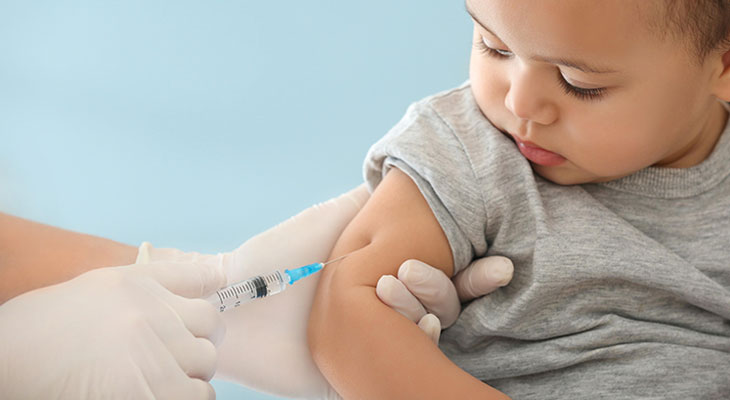
R21/Matrix-M is the second malaria vaccine recommended by WHO, after the RTS,S/AS01 vaccine. It’s a vaccine for kids in regions where malaria is prevalent. The WHO recommends a four-dose schedule starting at about five months of age. Vaccination programs may be age-based, seasonal or combined depending on the local malaria transmission.
A fifth dose may also be administered 1 year after the fourth dose in regions where children continue to be at high risk of malaria.
That means that the malaria vaccine dose schedule is not a single injection. Timing depends on the local malaria situation and the vaccination campaign.
What Does the Malaria Vaccine Mean for India?
India's malaria situation is different from that of many African countries where malaria vaccination programmes have already been introduced at scale.
One important difference is the range of malaria parasites found in India. While P. falciparum remains important, P. vivax also contributes significantly to malaria in the country. In India’s NCVBDC surveillance data, P. falciparum cases and total malaria cases are reported separately.
Current WHO-recommended vaccines are designed specifically against P. falciparum. Malaria vaccination is therefore not a protection against all forms of malaria.
In India, vaccination will have to work in tandem with existing measures such as mosquito control, surveillance, testing and timely treatment.
Malaria Vaccination Schedule: How Many Doses Are Needed?
For children covered under WHO's malaria vaccine recommendation, the standard schedule is four doses beginning at around five months of age.
The fourth dose helps extend protection. In areas where malaria risk remains significant, WHO says a fifth dose may be considered one year after the fourth dose.
The exact malaria vaccine schedule used in a country or programme may therefore differ according to local transmission patterns and public-health requirements.
How Effective is Malaria Vaccination?
If you receive a malaria vaccine, you will not be 100% protected from all malaria infections. However, clinical and programme evidence shows that it can significantly reduce malaria illness in children.
WHO reports that both RTS,S and R21 have reduced malaria cases by more than 50% during the first year after vaccination. In areas with highly seasonal malaria transmission, seasonal vaccination has been shown to prevent around 75% of malaria episodes when used alongside seasonal malaria chemoprevention.
The greatest benefit comes when vaccination is combined with other malaria-control measures.
What About Malaria Vaccine Price in India?
The malaria vaccine price in India is likely to be an important question as interest in the vaccine grows. However, there is no single price that can be applied to every vaccination setting.
The final cost can depend on factors such as:
- Vaccine product
- Number of doses
- Vaccination programme
- Availability
- Public or private healthcare setting
R21/Matrix-M has been designed for large-scale production, and WHO has highlighted its potential for affordable large-scale use. However, this should not be taken as a fixed malaria vaccine price in India for private vaccination.
Current pricing and availability should always be confirmed with an authorised healthcare or vaccination provider.
Can Adults Take a Malaria Vaccine?
Currently the WHO recommends children living in malaria-endemic areas. This is not a routine recommendation for malaria vaccination in the general adult population.
Adults traveling to areas with a risk of malaria may need additional preventive measures including protection from mosquito bites and, where appropriate, preventive medicines depending on the destination and individual health requirements.
Does the Malaria Vaccine Replace Mosquito Protection?
No.
If you have been vaccinated, you still want to avoid getting bitten by mosquitoes. Mosquito nets, repellents, protective clothing and measures to reduce mosquito breeding can all help prevent malaria.
WHO’s recommendation for use of the malaria vaccine is as part of a comprehensive malaria control strategy, not as a stand-alone intervention.
What is the Future of Malaria Vaccination in India?
The development of malaria vaccines represents an important change in malaria prevention. India already has a significant role in this development through the Serum Institute's manufacture of R21/Matrix-M.
However, malaria vaccination in India will need to be considered alongside the country's existing malaria-control programme and the different parasites responsible for malaria transmission.
For families, the key point is simple: malaria vaccination is an important development, but it is not a replacement for mosquito protection, testing or treatment. Vaccination decisions should follow current Indian recommendations and advice from qualified healthcare professionals.
Frequently Asked Questions
1. Which malaria vaccines are recommended by WHO?
WHO recommends RTS, S/AS01 and R21/Matrix-M for children living in malaria-endemic areas.
2. What is the malaria vaccine dose schedule?
The WHO-recommended schedule consists of four doses beginning at around five months of age. A fifth dose may be considered in areas where significant malaria risk remains.
3. Is R21 a malaria vaccine for India?
R21/Matrix-M is manufactured by the Serum Institute of India and is WHO-prequalified. Its use in India depends on applicable national and programme recommendations.
4. How much does the malaria vaccine cost in India?
There is no single standard malaria vaccine price in India. Cost and availability can vary according to the product, programme and vaccination setting.
5. Can adults get a malaria vaccine?
Current WHO recommendations focus on children living in malaria-endemic areas. There are no malaria vaccines currently recommended as routine vaccines for the general adult population.
6. Does the malaria vaccine protect against all types of malaria?
Today, the available and WHO recommended malaria vaccines are for P. falciparum only and do not protect against other malaria parasites.